Creating the Perfect Outdoor Living Space: Design Ideas and Practical Tips
Outdoor living spaces have evolved into essential extensions of modern homes, offering versatile areas for relaxation, entertainment, and family gatherings. Whether you have a sprawling backyard or a modest patio, thoughtful design and strategic planning can transform any outdoor area into a functional and beautiful retreat that enhances your lifestyle and property value.
This comprehensive guide explores practical ideas and proven strategies for creating outdoor spaces that seamlessly blend style, comfort, and functionality.
- Defining Your Outdoor Living Goals
Successful outdoor spaces begin with clear vision and purposeful planning that aligns with your lifestyle needs.
Key planning questions:
- What primary activities will the space accommodate?
- How many people typically gather in your outdoor areas?
- What’s your budget for initial setup and ongoing maintenance?
- Do you prefer formal entertaining or casual family use?
- What level of privacy do you require?
- How much time can you dedicate to upkeep?
Answering these questions establishes a framework guiding all subsequent design decisions, ensuring your outdoor space truly serves your needs.Outdoor Kitchen and Dining Areas
Outdoor kitchens have become centerpieces of modern entertaining, combining culinary functionality with social atmosphere.
Essential outdoor kitchen elements:
- Built-in grills with multiple burners and cooking zones
- Refrigeration for beverages and food storage
- Prep counters with durable weatherproof surfaces
- Sink with running water for convenience
- Storage cabinets for utensils and supplies
- Shade structures protecting from sun and weather
Start with basic grilling stations, then expand as needs and budget allow. Quality weatherproof materials withstand outdoor conditions while maintaining attractive appearances for years.
- Comfortable Seating Arrangements
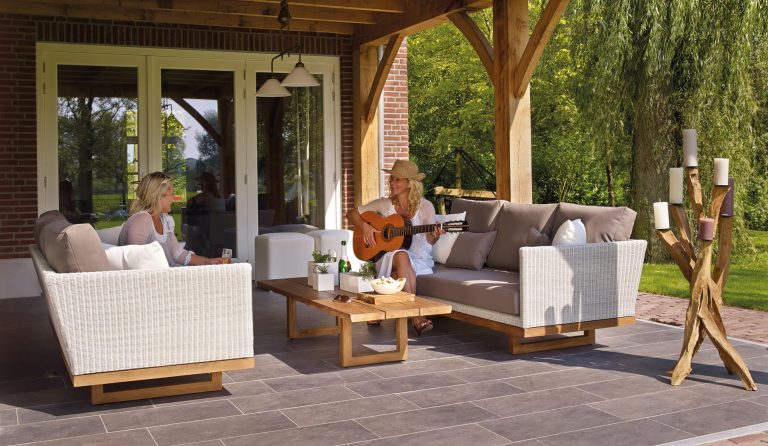
Appropriate seating transforms outdoor areas into inviting gathering spaces where people naturally want to spend time.
Seating options for various needs:
- Deep sectional sofas with weather-resistant cushions
- Dining sets accommodating typical guest counts
- Lounge chairs perfect for relaxation
- Swing chairs or hammocks for casual comfort
- Built-in bench seating maximizing space efficiency
- Fire pit seating circles encouraging conversation
Invest in quality outdoor furniture designed to withstand weather exposure. UV-resistant fabrics, rust-proof frames, and easy-clean materials reduce maintenance while ensuring longevity.
- Lighting Design for Ambiance and Function
Strategic lighting extends outdoor space usability into evening hours while creating inviting atmospheres.
Layered outdoor lighting approach:
- Overhead string lights creating warm ambient glow
- Task lighting for cooking and dining areas
- Path lights ensuring safe navigation
- Accent lighting highlighting landscape features
- Fire features providing natural flickering light
- Dimmable systems adjusting intensity
LED technology offers energy efficiency and long lifespans. Solar-powered options eliminate wiring requirements while providing sustainable illumination.
- Privacy and Shade Solutions
Privacy and comfortable temperature control make outdoor spaces more usable and enjoyable throughout various seasons.
Privacy and shade options:
- Pergolas with adjustable louvered roofs
- Retractable awnings providing flexible coverage
- Privacy screens or living walls
- Strategic plant placement creating natural barriers
- Outdoor curtains adding softness and privacy
- Umbrellas offering portable shade solutions
- Outdoor Entertainment Systems
Modern technology enhances outdoor entertainment without compromising aesthetics or weather resistance.
Technology integration ideas:
- Weatherproof televisions and sound systems
- Outdoor-rated speakers throughout the space
- Wi-Fi extenders ensuring strong connectivity
- Smart lighting controlled via smartphone
- Outdoor heaters extending seasonal use
- Automated irrigation for plantings
- Landscape Integration
Thoughtful landscaping connects outdoor living spaces with surrounding natural elements, creating cohesive outdoor environments.
Landscape considerations:
- Native plants requiring minimal maintenance
- Container gardens adding flexibility
- Vertical gardens maximizing limited space
- Water features providing soothing sounds
- Hardscaping defining different zones
- Seasonal color through strategic planting
- Maintenance Planning
Realistic maintenance planning ensures outdoor spaces remain beautiful and functional with minimal ongoing effort.
Low-maintenance strategies:
- Choose durable materials requiring minimal upkeep
- Implement automated irrigation systems
- Select native plants adapted to local conditions
- Establish regular cleaning schedules
- Store cushions and accessories during harsh weather
- Apply protective treatments to surfaces annually
Conclusion: Bringing Your Outdoor Vision to Life
Creating perfect outdoor living spaces requires balancing aesthetic desires with practical considerations. Start with foundational elements addressing your primary needs, then layer in enhancements as budget allows. Focus on quality materials designed for outdoor use, ensuring your investment delivers years of enjoyment.
Remember that outdoor spaces evolve over time. Begin with essential elements like comfortable seating and basic amenities, then expand gradually. Your outdoor living area should reflect your personal style while serving your practical needs, creating an extension of your home where memories are made and cherished moments unfold naturally under open skies.